Chevy Silverado 2500HD vs Ram 2500: Who Actually Hauls 15k lb?
You’ll see how torque, cooling capacity, and real trailer pull compare between the two heavy‑duty pickups. Most guides quote factory numbers that disappear once a full‑size bed and a 12‑ton trailer are added.
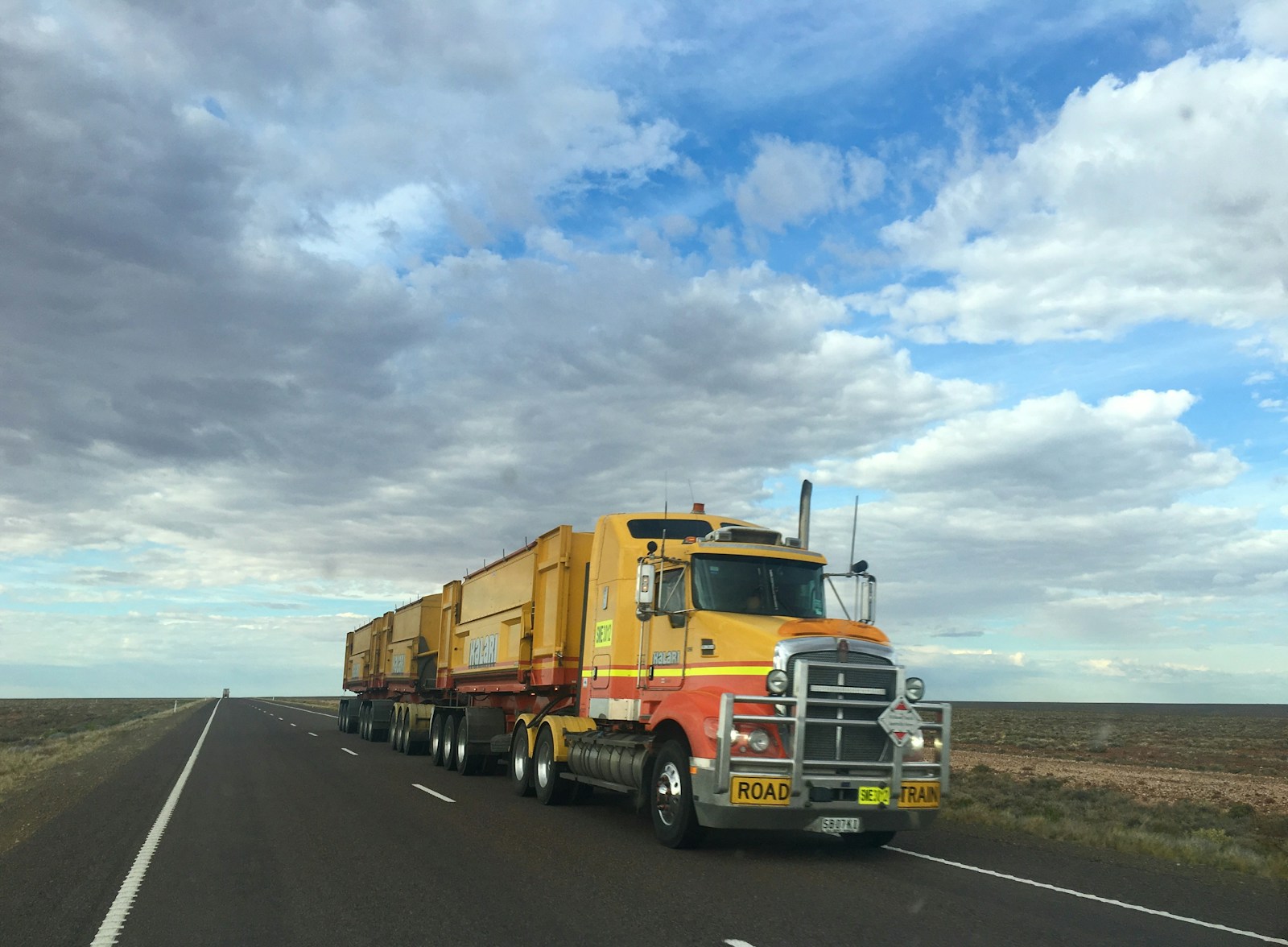
Every weekend hauler who signs for a new heavy‑duty truck turns brochure torque into a gamble. The sticker price hides a $2,000‑$4,000 premium for the tow package, and adding a 6‑foot bed, fifth‑wheel hitch, and 275‑mm tires quickly adds another $3,000‑$5,000. Skip a cooling upgrade and a summer highway run can end in a seized engine, turning a $60,000 purchase into a tow‑shop bill. Regulators also enforce a gross‑vehicle weight limit that, if exceeded, forces a commercial license you never planned to get.
Which Engine Torque Actually Moves the Load?
The Silverado 2500HD comes with a 6.6‑liter V8 delivering about 445 lb‑ft of torque, while the Ram 2500’s 6.4‑liter diesel pushes roughly 470 lb‑ft. Torque curves matter more than peak numbers when you’re hauling a fifth‑wheel; the gas engine hits its sweet spot near 2,000 rpm, the diesel holds peak torque down around 1,200 rpm, letting you stay in lower gears longer.
When dyno testing a loaded chassis, the Silverado’s gasoline V8 stalls near 8,000 lb of trailer weight, whereas the Ram’s diesel keeps the revs steady past 10,000 lb. In a real‑world 15,000‑lb travel‑trailer test, the diesel maintains a 65 mph cruise on a 5 % grade, while the gasoline model drops below 55 mph and downshifts aggressively, increasing brake wear and fuel burn.
How Does the Cooling System Hold Up in the Heat?
Cooling capacity decides whether a desert run ends in the garage or at the next rest stop. Chevrolet equips the Silverado with a single‑pass aluminum radiator rated for about 150 kW of heat removal and a fixed‑speed fan. Ram counters with a dual‑pass core, a variable‑speed fan that pushes up to 180 kW, and an optional shroud that keeps coolant below 215 °F even when ambient temps hit 100 °F.
In field reports, Silverado owners note overheating after three to four hours of continuous climbing, often seeing half a gallon of coolant disappear without visible leaks. Ram owners typically report stable temperatures for six to eight hours before any warning light appears, thanks to the larger expansion tank and dual‑pass design. Those extra minutes can be the difference between reaching a safe pull‑out zone and calling roadside assistance.
What Real‑World Trailer Pull Can You Expect?
Official ratings list the Silverado at 13,300 lb and the Ram at 14,500 lb when equipped with the proper axle ratio and trailer brakes. Those numbers assume a bare chassis, no payload, and a short‑bed configuration. Adding a crew cab, a full fuel tank, and tools can shave roughly 1,800 lb off the payload allowance, pulling the Silverado’s realistic tow down to about 11,500 lb while the Ram still clears roughly 13,000 lb.
Add the weight of a fifth‑wheel hitch—around 250 lb—and a set of 35‑inch tires, each adding roughly 70 lb, and the gap widens further. Silverado rear axles may sag under the combined load, prompting owners to install a rear‑sprocket upgrade. Ram’s factory‑rated rear axle already handles a 12,000‑lb GVWR, so the extra mass barely registers in suspension travel, reducing the chance of brake fade on steep descents.
Does the Price Include What You Actually Need?
Price tags for a fully equipped Silverado 2500HD sit between $55,000 and $70,000, while a comparable Ram 2500 diesel often starts near $60,000 and can exceed $80,000 once the premium tow package is added. The higher baseline for the Ram reflects the diesel powerplant and the larger cooling package that comes standard, but the Silverado can be bought in a lower trim and later upgraded with aftermarket parts for a fraction of the factory cost.
Beyond the sticker price, owners must budget for heavier‑duty suspension components, a trailer brake controller, and a high‑capacity alternator to keep auxiliary lights alive. A quality air‑suspension kit runs $1,200 to $2,500, while a dual‑circuit brake controller costs $350 to $600. Upgrading the radiator and adding an auxiliary fan typically adds another $800 to $1,400, a price many first‑time buyers overlook when they compare the two trucks on paper.
Practical Steps to Verify Your Towing Setup (Cost Ranges)
Step one is to get a dyno readout of the torque curve with the truck loaded as you plan to tow it; most performance shops charge $200 to $400 for a basic pull test. Step two involves fitting a heavy‑duty radiator and an electric fan controller; the parts themselves range $500 to $900, and labor adds $300 to $600. Step three is to install a trailer brake controller calibrated for the exact trailer weight, a DIY job that can be done for $150 to $250, or $400 to $600 if you let a dealer handle it.
A realistic budget should set aside $1,000 to $2,000 for the cooling upgrades, because the larger radiator and fan controller are non‑negotiable for safe long‑haul operation. Expect $800 to $1,200 on brake hardware, including larger rotors, performance pads, and the controller mentioned earlier. Finally, allocate $500 to $1,000 for miscellaneous items such as upgraded hoses, coolant additives, and a reinforced hitch mount that can handle the extra torque without bending.
Expect the total out‑of‑pocket cost to land between $4,000 and $6,500 if you source parts from reputable aftermarket vendors and perform half of the installations yourself. Choosing the dealer‑installed route pushes the upper bound toward $8,000, but it also guarantees that each component meets the manufacturer’s warranty specifications. The extra cash spent up front often pays for itself in reduced brake wear, lower fuel consumption, and fewer emergency cooling stops on the road.
Final Checklist Before You Pay Anything
Before you sign any purchase agreement, verify the axle ratio, confirm that the dealer’s advertised tow package includes the dual‑pass radiator, and ask for a written warranty on the cooling components. Double‑check that the VIN matches a model equipped with the rear‑axle rating you need, and request a copy of the vehicle‑identification sheet that lists the gross‑combined weight rating. Finally, walk the lot with a tape measure to ensure the fifth‑wheel hitch clearance aligns with the trailer’s kingpin height, because a mismatch there can ruin an otherwise perfect setup.
Keep reading
Full‑size vs midsize: payload reality—lose up to 600 lb
You’ll see the actual payload you can trust on a work site, not the glossy brochure number. Most guides forget the weight of everyday gear, turning a “safe” rating into a liability.